Learn how to start a sports card collection with this beginner-friendly guide. Discover tips on choosing cards, setting a budget, and building value.
What would happen to a mere sports card you purchase now, but may become a valuable item in the future? Most novices are thrilled with the idea of collections, yet are unable to comprehend where to begin or what really matters.
The sports card business has been on the rise, attracting collectors, investors, and fans looking to turn their passion into profit.
It can mean the difference between a haphazard collection and a valuable, well-considered portfolio. By having a clear roadmap, you can create a collection that is both interesting and profitable.

Understand the Basics of Sports Card Collecting
One should understand what makes sports cards a favorite among collectors and investors before purchasing. Sports cards are often based on athletes, teams, and special occasions, making them appealing to fans and collectors.
Certain cards are exclusive; others are valuable because of players’ performance and market demand over time.
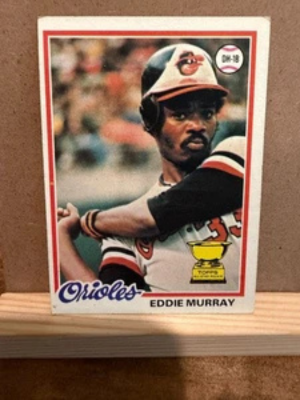
You would also have to learn about the various kinds of cards, such as base cards, rookie cards, autographed cards, and limited editions. All types will be used differently in a collection, and each will have a different market value.
Set a Clear Goal for Your Collection
The first step in a successful collection is to set a clear goal or purpose that helps you focus and avoid unnecessary spending. Choose whether you would like to collect as a hobby, a form of investment, or a combination of both based on your interests.
Some typical collecting objectives are:
- Gathering cards of your favorite players or teams.
- Buy rookie cards that have the potential of being valuable in the future.
- Assembling an entire set of a particular series.
- Specializing in old or collectible cards.
Having a goal will guide your buying decisions and help you build a meaningful collection over time.
Start with a Realistic Budget
Most beginners make the mistake of spending too much without knowing the value of cards at the outset. The realistic budget will enable you to learn the market without taking unwarranted financial risks.
Begin small and gradually increase your spending as you gain more knowledge. This will help you make more informed decisions and prevent costly errors at the beginning of your collecting career.
Learn How to Spot Valuable Cards
Knowing value is one of the most significant skills every collector must develop over time. Cards of high value may be characterized by high demand, low supply, and a popular or up-and-coming player in the sports scene.
When considering cards, take into consideration the following factors:
- Popularity and performance of players.
- Card condition, grading.
- Uncommon and small print runs.
- Recent sales trends and market demand.
Learning these basics will help you identify cards that have the potential to grow in value.
Store and Protect Your Cards Properly
Securing your collection is as important as any other aspect of collecting, such as building, if you want to enjoy long-term value. The value of damaged cards loses value within a short time, even in cases where the damaged cards are rare or of great demand in the market.
To ensure the cards are not damaged, use proper storage techniques, including protective sleeves, top loaders, and storage boxes. Cards should never be stored in a humid environment, as this can cause them to deteriorate.
Conclusion:
It is much easier to start a sports card collection when you have a clear plan and work step by step to learn. By taking the right approach, you can still have fun collecting items whose value can increase over time. Be consistent, keep learning, and make smart choices to turn your hobby into a long-term, rewarding investment.