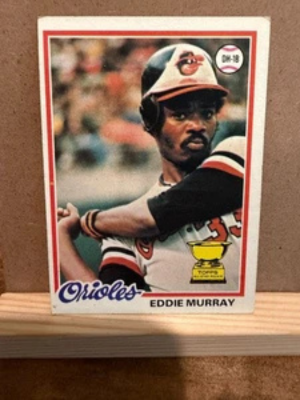

Learn how to tell if a sports card is valuable and what makes a sports card valuable using condition, rarity, player performance, and market trends to make smarter collecting decisions.
Have you ever wondered how to tell if a sports card is valuable and whether it could be worth serious money today? Most collectors tend to ignore good cards because they may not fully understand what constitutes a good card in the market. Being taught to assess a sports card properly can totally transform the way you collect, trade, and invest in the long run.

Condition Plays a Major Role
The quality of a sports card is one of the most crucial factors that directly influence its value. A rare card can lose its value if it has visible flaws, such as creases, faded colours, or worn edges. Collectors favour clean, sharp, and well-preserved cards, as these are easier to grade and resell in the future.
What to Look for in Card Condition
A high-quality card usually has:
- Sharp corners and smooth edges
- Bright and unfaded colors
- No scratches, stains, or creases
Cards that meet these criteria are more likely to earn higher grades and command higher resale prices in competitive marketplaces.
Rarity Increases Demand
Rarity is a key factor in sports card value. Cards produced in smaller quantities are naturally more sought after, since fewer collectors can own them. However, this limited availability increases competition and can drive prices up, making rare cards more valuable as demand builds.
Signs of a Rare Card
The following are some of the signs of rare card:
- Limited edition releases
- Serial numbers that indicate the print run.
- Special inserts or special sets.
The rarer the card, the more likely its value will rise as more collectors compete to acquire it.
Player Popularity Matters
The popularity and performance of the player featured on the card are very important in determining how much collectors will spend on it. Cards featuring star athletes or emerging stars will normally increase in value as their careers advance and gain more publicity. Achievements such as championships, awards, and record-breaking performances tend to drive demand for a card upward.
Nevertheless, one should bear in mind that inconsistently performing players might not be as valuable in the long term as established stars.
Market Trends and Timing
Sports card values shift with trends, demand, and timing. Moreover, popularity may spike after media coverage, major events, or renewed interest in a sport. Staying informed helps collectors make profitable choices.
Why Timing Matters?
Monitoring trends helps you buy at lower prices, sell at peak demand, and spot new opportunities early.
- Sell at high demand.
- Spot new opportunities at an early stage.
Knowing the timing can be crucial to total profit and long-term success.
Authenticity and Grading
When determining whether a sports card has real value or is just a replica with low demand, authenticity is vital. Buyers have more confidence in cards that are professionally authenticated and graded, as they can be sure of the card’s authenticity and condition. Such cards also offer greater protection, helping preserve their quality over time.
Always remember to verify the card before making any purchase or sale; its authenticity must be confirmed to prevent financial loss.
Final Thoughts:
By focusing on condition, rarity, player performance, market trends, and authenticity, you can build a smarter and more valuable sports card collection. A thoughtful approach will help turn any collection into a valuable long-term asset.