
Introduction
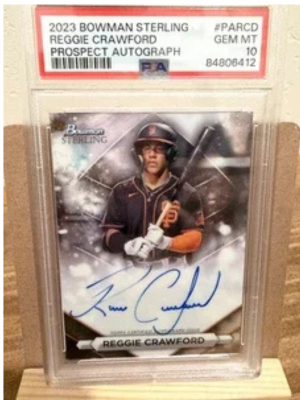
Sports card grading is one of the most important parts of the collectibles industry. It is the process that determines the condition, authenticity, and overall value of a sports card. Whether you are a collector or investor, understanding grading can completely change your success in this market.
A graded card is usually worth significantly more than an ungraded (raw) card because it provides trust, standardization, and verified condition.
What is Sports Card Grading?
Sports card grading is a professional evaluation process where companies examine a card’s condition and assign it a numeric grade.
This grade reflects factors like surface quality, corners, edges, and centering. The higher the grade, the better the condition and value of the card.
Key Factors in Grading:
- Surface quality
- Corner sharpness
- Edge condition
- Centering accuracy
Major Grading Companies
There are several grading companies in the market, but a few are widely trusted and used globally.
PSA (Professional Sports Authenticator)
PSA is the most popular grading company in the sports card industry. It is known for strong market trust and high resale value.
BGS (Beckett Grading Services)
BGS is known for its detailed subgrades and is especially popular among modern card collectors.
SGC (Sportscard Guaranty)
SGC is often preferred for vintage cards due to its consistent and clean grading standards.
Understanding Grading Scales
Each grading company uses a scale (usually 1 to 10) to evaluate card condition.
Gem Mint 10
Perfect condition with no visible flaws. This is the highest and most valuable grade.
Mint 9
Almost perfect card with very minor imperfections not visible to the naked eye.
Near Mint 8
Light wear may be visible but the card still maintains strong condition and value.
Lower Grades (1–7)
These indicate increasing levels of wear, damage, or poor condition.
Why Grading Increases Card Value
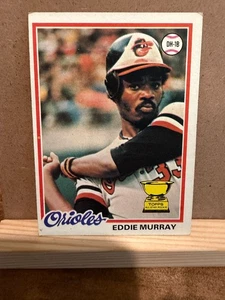
Grading significantly impacts a card’s market value because it adds trust and verification.
Key Benefits:
- Authenticity confirmation
- Higher resale value
- Easier buying and selling
- Protection in sealed case
A PSA 10 card can sometimes sell for 5x to 10x more than the same ungraded card.
When Should You Grade a Card?
Not every card should be graded. Grading costs money, so choosing the right cards is important.
You Should Grade If:
- Card is rare or valuable
- Card is in excellent condition
- It is a rookie or star player card
You Should Avoid Grading If:
- Card value is too low
- Condition is poor
- Market demand is weak
Common Grading Mistakes
Many beginners lose money due to poor grading decisions.
Mistakes to Avoid:
- Grading low-value cards
- Ignoring surface damage
- Overestimating card condition
- Not researching grading fees vs value
Tips for Getting High Grades
To increase chances of high grades, proper handling is essential.
Best Practices:
- Always use protective sleeves
- Avoid touching card surface
- Store cards in cool, dry places
- Inspect carefully before submission
Conclusion
Sports card grading is a crucial step for anyone serious about collecting or investing. It directly affects value, trust, and resale potential. Understanding how grading works helps you make smarter buying and selling decisions.
Whether you are focusing on modern cards or vintage collectibles, grading can significantly improve your overall returns.
Call to Action
If you are looking for high-quality sports cards for grading or investment, visit our official eBay store.
👉 https://www.ebay.com/str/macstreasureandcollectibles
Explore rare, graded, and investment-worthy sports cards to grow your collection with confidence.